What we open
- •Drywall and ceiling areas around staining or active moisture
- •Flooring and subfloor sections where readings indicate concealed moisture
- •Cabinet backs, trim, and other finish materials that block access to the source
Central Valley leak investigation
Most water damage is invisible until it is serious. We use investigative demolition, moisture mapping, and structural assessment to find the source and extent of concealed damage before we rebuild.
CA Contractor License #1066959
A controlled look behind the surface
Investigative demolition is the controlled, targeted opening of walls, floors, or ceilings to expose concealed damage. Instead of removing more than necessary—or patching what we cannot see—we create access, document conditions, and determine the real scope before reconstruction begins.
Diagnosis before repair
A fresh patch can hide an active leak while water continues to travel behind finished surfaces.
What we do instead: We trace the evidence and identify the area that needs further evaluation before repairs are closed.
Covering damp framing, subflooring, or insulation can trap moisture and create a larger reconstruction problem.
What we do instead: We map moisture and open targeted areas when conditions call for confirmation.
Water rarely respects a single room boundary; it can move along framing, under flooring, and into nearby finishes.
What we do instead: We assess the surrounding assembly and document the true repair perimeter.
Field methods
We read the visible clues: staining, swelling, cracking finishes, failed sealant, soft materials, and patterns that point to a water path.
We take and compare moisture readings across affected and adjacent areas to establish where moisture is present and where it may be traveling.
When surface evidence is not enough, we make precise openings to inspect concealed cavities, framing, plumbing access, and subfloor conditions.
We evaluate visible framing, sheathing, subflooring, and connections for deterioration or damage that may affect the reconstruction scope.
Evidence you can use
A sound reconstruction plan begins with a clear record. Our findings give homeowners a practical basis for decisions, help define repair scope, and create continuity from investigation through rebuild.
A disciplined workflow
01
We listen to the history of the issue, review what you have observed, and identify the areas that need a closer look.
02
We inspect accessible conditions, read the visual evidence, and take moisture measurements where appropriate.
03
If needed, we create targeted openings to confirm the source, path, and extent of concealed damage.
04
We organize the findings, photos, moisture information, and observed structural conditions into a clear record.
05
We define the repair sequence and reconstruction scope needed to put the affected area back together properly.
Documented reconstruction work
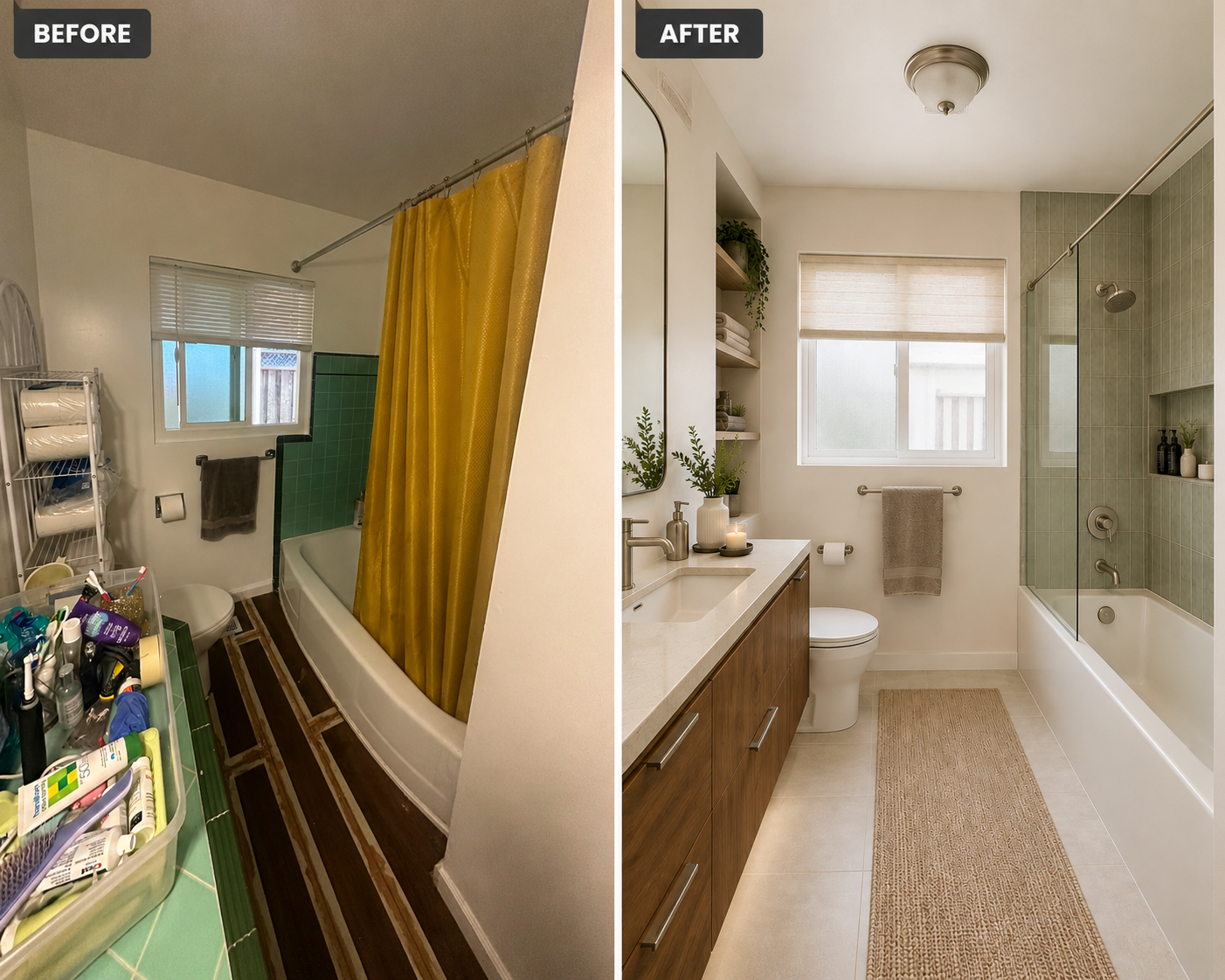

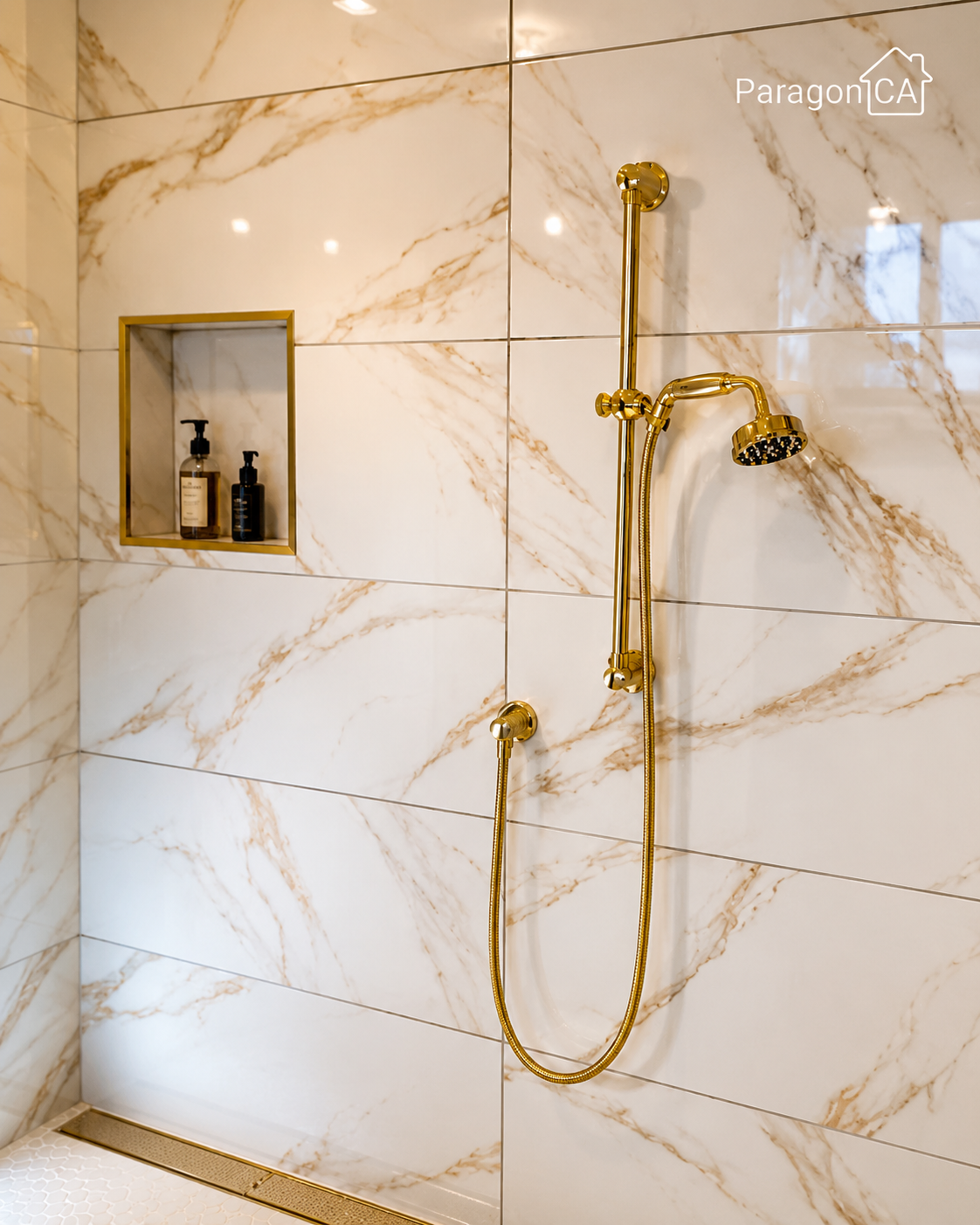
Homeowner perspective
“They did not rush to cover the stain. They opened only what was needed, showed us what they found, and explained the repair plan in plain language.”
“The moisture readings and photos made the situation understandable. We finally knew what was behind the wall and what needed to be repaired.”
“Their team treated the issue like an investigation, not a cosmetic patch. The documentation gave us confidence before reconstruction started.”
Central Valley service area
Leak investigation FAQ
Start with evidence, not assumptions. We will evaluate the affected area, document what we find, and develop a practical reconstruction scope for your Central Valley home.