Water Damage Reconstruction
We trace water-related failures beyond stained drywall and swollen finishes. Then we repair compromised assemblies and reconstruct the space with lasting materials.
Learn moreReconstruction contractor serving the Central Valley
Most contractors patch visible damage and move on. We investigate the source, document the extent, and rebuild to current code.
CA License #1066959
What we do
We trace water-related failures beyond stained drywall and swollen finishes. Then we repair compromised assemblies and reconstruct the space with lasting materials.
Learn moreAfter fire damage, we evaluate affected framing, finishes, and systems before rebuilding. Our work restores the home in a coordinated, code-conscious sequence.
Learn moreMold damage often points to a moisture problem that needs to be corrected first. We rebuild affected areas only after the source and damaged materials have been addressed.
Learn moreSoft floors and dry rot can signal deterioration below the finished surface. We expose the affected area, repair structural components, and reconstruct the room above.
Learn moreOur approach
We follow visible symptoms back to the failure that created them, so the repair is based on evidence rather than assumption.
Clear findings, photos, and a defined scope give homeowners and insurers a reliable record of the work required.
Our general contractor team repairs what is compromised and rebuilds with current code, practical sequencing, and durable finishes in mind.
Warning signs
Floors that flex, dip, or feel spongy can point to subfloor deterioration or framing issues.
Recurring stains can indicate an active or historic leak above the visible surface.
Persistent odors may suggest trapped moisture or concealed microbial growth.
Paint that bubbles or peels without an obvious cause can be a moisture warning.
Movement below a finished floor can show up first in rigid tile or grout lines.
Swelling or separation at baseboards often signals water has reached the wall or floor assembly.
A door that suddenly binds or will not latch may reflect movement in framing or surrounding finishes.
Decayed wood should be assessed beyond the surface to understand the full extent.
Why timing matters
Unresolved moisture and decay can gradually reduce the strength of framing, subfloors, and connections.
When moisture remains active, affected materials and adjacent cavities can become harder to restore cleanly.
Delayed reporting and incomplete documentation can make it more difficult to establish the scope of a covered loss.
Our process
01
We review symptoms, access conditions, and the areas most likely to reveal the source.
02
Targeted openings expose concealed conditions without treating the whole home as a guess.
03
We record findings, affected materials, and the reconstruction scope before major work begins.
04
Compromised components are repaired or replaced in the correct sequence.
05
We reconstruct finishes, coordinate required inspections, and close out the work with care.
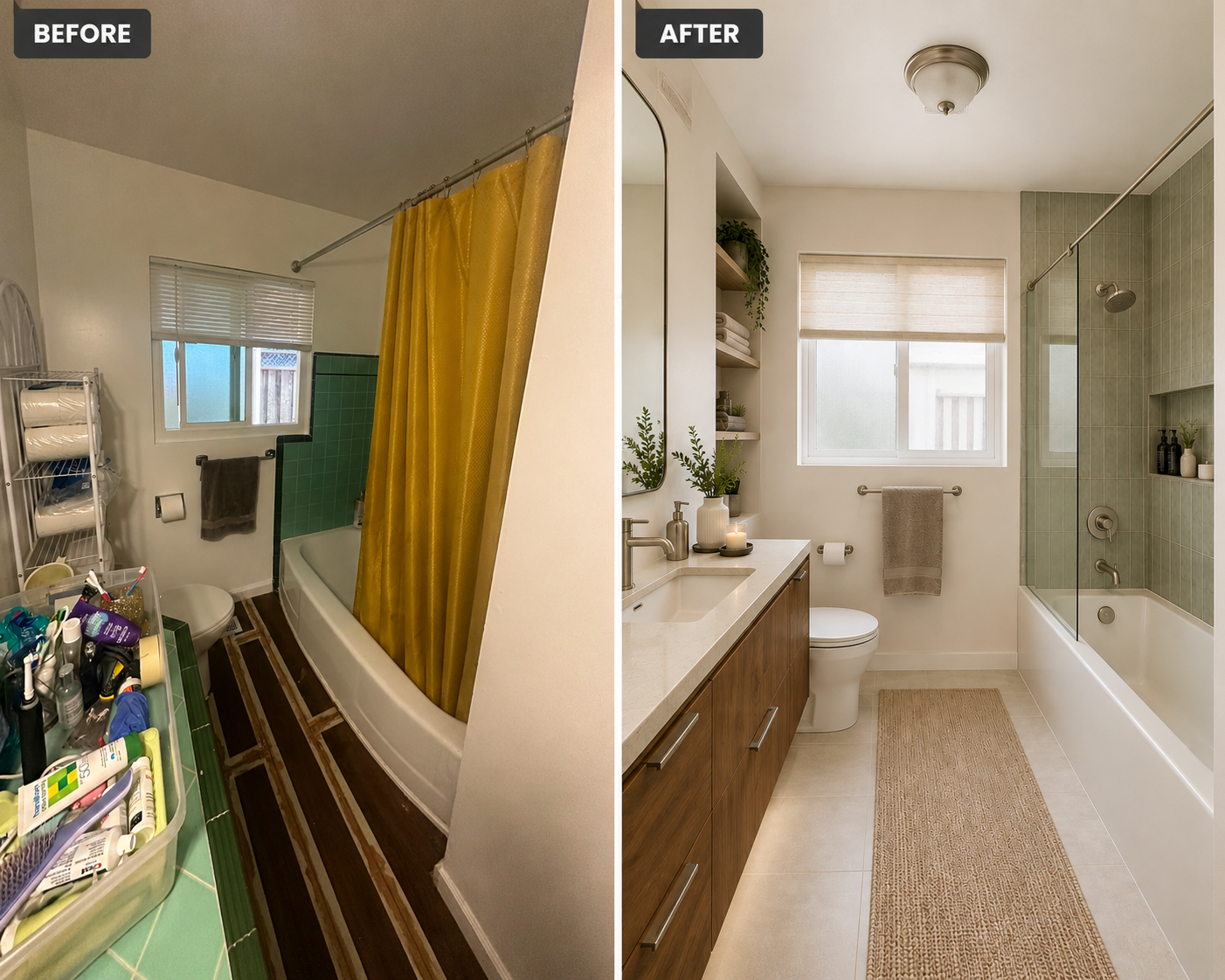
Recent reconstruction work


Homeowner feedback
“They did not rush to cover the damage. They explained what they found, showed us the affected areas, and rebuilt the room correctly.”
Marisa R.
Modesto, CA
“The team was calm and methodical during a stressful time. We had a clear scope, regular updates, and a finished home we trust.”
Daniel T.
Turlock, CA
“ParagonCA found the source of the soft floor and repaired it before the new finishes went in. That made all the difference.”
Angela P.
Oakdale, CA
Service area
ParagonCA Remodeling serves homeowners throughout the Central Valley and nearby communities.
Related services
Frequently asked questions
Remodeling is typically a planned improvement. Reconstruction follows damage or failure and begins with finding the cause, repairing compromised materials, and rebuilding the affected space.
We can provide clear documentation, photos, and a defined reconstruction scope to support your insurance conversation. Coverage decisions remain with your carrier and policy.
Timing depends on the source of damage, the extent of concealed conditions, material availability, permits, and inspection requirements. We provide a realistic sequence once the scope is known.
When the scope requires permits, we coordinate the appropriate permit and inspection process as part of the reconstruction plan.
Cost depends on what is behind the visible damage, how accessible it is, and what must be rebuilt afterward. An on-site evaluation and documented scope provide the most reliable starting point.
We begin with the visible evidence, then use targeted investigative openings where needed to inspect assemblies, trace moisture paths, and confirm affected materials.
Water intrusion, plumbing or roof leaks, long-term moisture, dry rot, settlement, and prior incomplete repairs are common contributors. The right repair depends on identifying the actual cause.
We stand behind our workmanship and review applicable warranty details with you as part of your project scope and closeout documentation.
Start with a careful assessment, a documented scope, and a team that rebuilds with the cause in mind.