Source not identified
The visible growth is removed while the leak, condensation, or moisture pathway continues behind the wall.
We investigate the moisture source before reconstruction begins, so the rebuild is based on the cause—not the symptom.
Central Valley mold reconstruction contractor
Mold is a symptom of a moisture problem. We find the moisture source, remove all compromised materials, and rebuild so it does not come back.
CA Contractor License #1066959
Why mold comes back
The visible growth is removed while the leak, condensation, or moisture pathway continues behind the wall.
We investigate the moisture source before reconstruction begins, so the rebuild is based on the cause—not the symptom.
Drywall, insulation, framing, or subfloor can hold moisture and contamination beyond what is visible.
We remove compromised building materials to the appropriate extent, then repair from sound structure outward.
A new finish can conceal the same vulnerable assembly that allowed moisture in the first place.
We rebuild with the correct waterproofing, drainage, ventilation, and material transitions for the space.
Common moisture causes
Failed shower waterproofing can keep the wall or subfloor wet long after a shower appears normal.
Slow supply, drain, or fixture leaks can damage enclosed cavities before they become visible.
Roof or flashing failures can drive water into attic, ceiling, and wall assemblies.
Persistent humidity in bathrooms, laundry rooms, and kitchens can feed recurring growth.
Water intrusion or vapor movement at the slab and foundation can affect lower walls and flooring.
Improperly managed condensate can wet framing, insulation, and surrounding finishes.
Warning signs
Spots or spreading growth on walls, ceilings, trim, or around fixtures.
A persistent earthy smell, especially after the room has been closed.
Brown rings, bubbling paint, or discolored joints that point to past or active moisture.
Spongy flooring, loose tile, or movement near a shower, toilet, or exterior wall.
Irritation that seems more noticeable in one room or area of the home.
Moisture repeatedly collecting on windows, ducts, or cool surfaces.
What we remove
We do not paint over or simply clean a mold-damaged surface. As the reconstruction contractor, we remove all compromised materials identified in the affected assembly—potentially including drywall, insulation, framing, and subfloor—then repair the structure and rebuild the enclosure correctly.
Our reconstruction process
01
We document visible conditions, affected finishes, access points, and the scope needed for a sound reconstruction plan.
02
We trace the likely pathway—plumbing, shower assembly, roof, ventilation, foundation, or HVAC condensation—before rebuilding.
03
We remove damaged materials to reach stable, repairable structure rather than stopping at the visible surface.
04
We repair framing, subfloor, backing, and other building elements necessary to restore a sound base.
05
We rebuild with appropriate waterproofing, ventilation, and moisture-management details for the affected space.
Reconstruction work
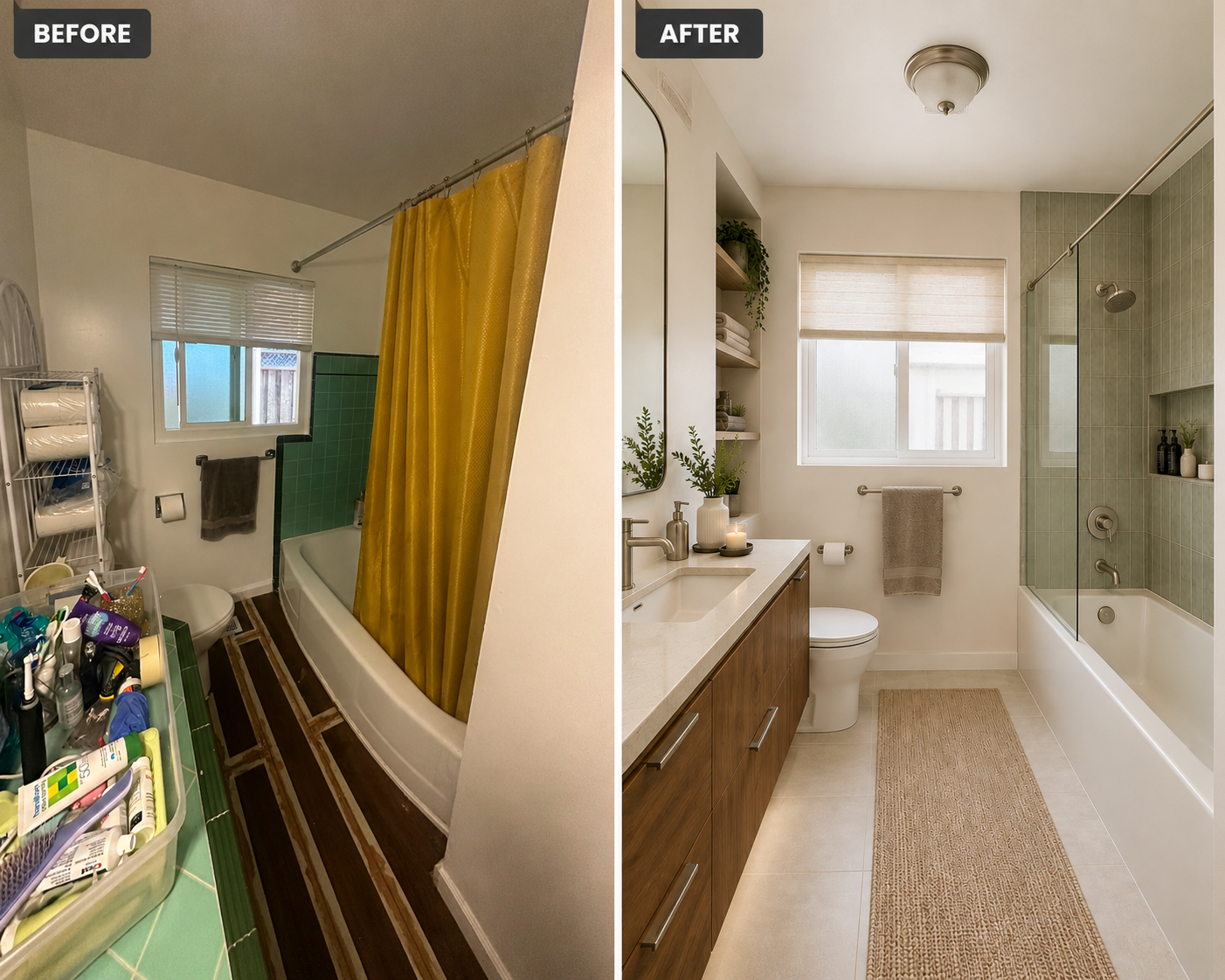

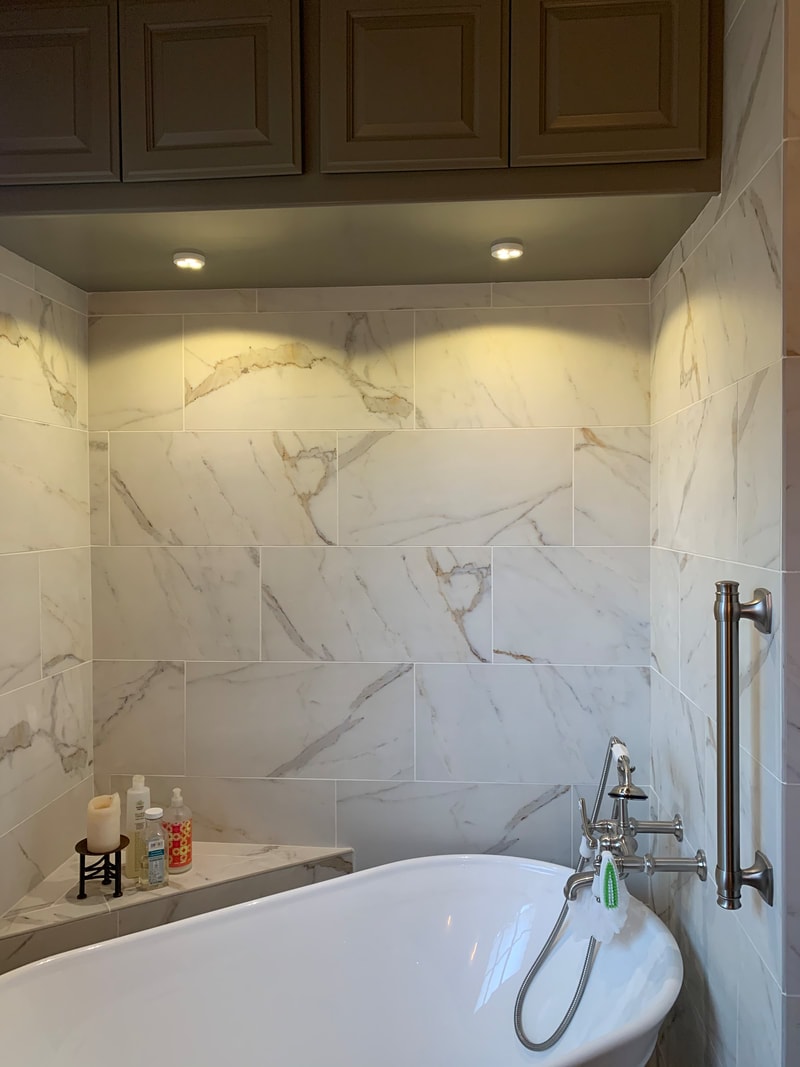
Homeowner experiences
They explained what had to come out, why it mattered, and how they would rebuild it. We never felt pushed into a cosmetic shortcut.
The team found the failed shower assembly and rebuilt the area with a plan that made sense. The finished bathroom feels solid again.
What stood out was the documentation and the communication. We understood the scope before the rebuilding started.
Service area
Mold reconstruction FAQ
Get a clear reconstruction plan that addresses the moisture source, compromised materials, and durable rebuild.